
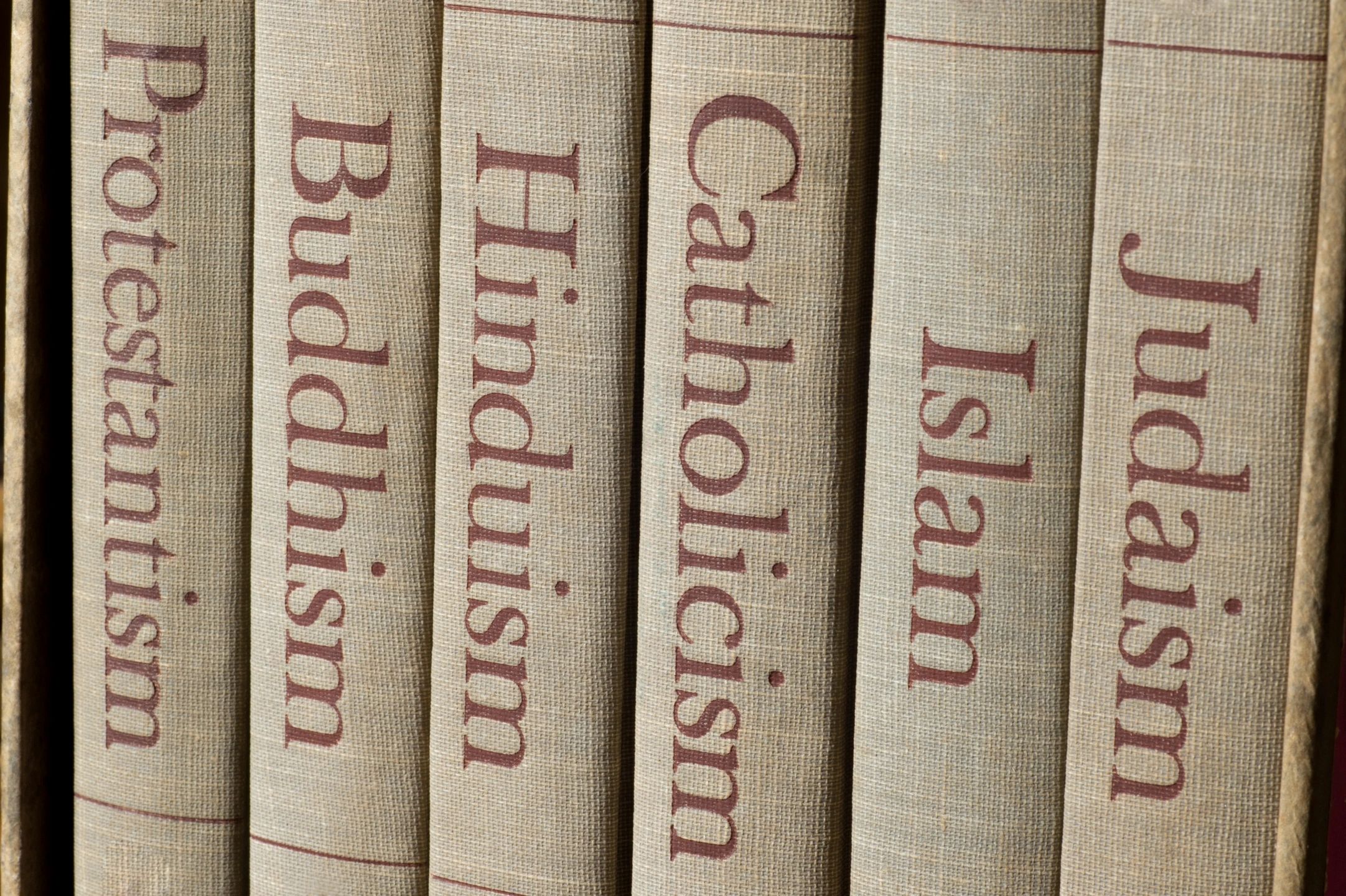
Buddhism is the state religion under Article 9 of the Sri Lankan Constitution. Buddhists account for around 70%. The remaining 30 % is almost equally divided into Hindu, Muslim and Christianity. Each of these four religions, not just the Christian community, provides religious instruction on Sundays to children. These classes are largely funded by the government of Sri Lanka. It is considered the right of every child to receive religious education in Sunday School. However, there has been growing concern among devout believers in these religions that fewer and fewer children are attending these Sunday schools and instead seeking extra private tuition to meet academic demands. Currently, some provincial councils ban these extra classes from taking place after 2pm, but the penalty for violating these bans is rarely enforced.
On 15 June 2026, "about 300 Sri Lankan activists, joined by Buddhist monks and Christian clergy," marched through Sri Lanka's capital to call upon the government to enforce bans on academic tuition on Sundays. Various placards held by the protesters read “Sunday Religious School is the right of every child,” “Stop extra tuition classes during Sunday School hours,” and “Protect religious education for future generations.” A Buddhist monk who attended the rally was interviewed, and he said that Buddhists, Christians, Muslims, and Hindus must come together to protect the right of every child to attend the government-funded religious instruction classes on Sunday.
Where did the idea of religious instruction on Sunday come from and why has it been incorporated into all religious persuasions in Sri Lanka? The introduction of Sunday school to Sri Lanka began with the Colonial era. This began with the introduction of Roman Catholicism in the 16th century. (https://www.cambridge.org/core/books/abs/christianity-in-south-and-central-asia/sri-lanka/BAEA48EB4F6A0705C90C13F368AC518B)." target="_blank" rel="noopener">https://www.cambridge.org/core/books/abs/christianity-in-south-and-central-asia/sri-lanka/BAEA48EB4F6A0705C90C13F368AC518B). However, this does not explain why today Muslims, Hindu's and Buddhists in a Buddhist majority country all have Sunday school for children aged between 6-19 years, why these classes are funded by the government, and there are laws in place that seek to ban choice regarding attendance at these classes.
When the final events that make worship compulsory in this world (see Revelation 13), it is inevitable that a universal day of worship will be globally enforced. The majority of countries around the world already have Sunday rest legislation in place through labour laws. However, some have wondered how religions that have not traditionally upheld Sunday's sacredness could be persuaded to keep Sunday for religious purposes under national legislation. In the case of Sri Lanka, which adheres to Buddhist nationalism, it is already in place.
More information on this story can be found at: https://www.ucanews.com/news/sri-lankans-demand-sunday-tuition-break-for-religious-lessons/113823" target="_blank" rel="noopener">https://www.ucanews.com/news/sri-lankans-demand-sunday-tuition-break-for-religious-lessons/113823
Comment Policy
Just a short read, click here to read