
In 1948, the UN signed into being the Universal Declaration of Human Rights. It was to be a guide to human rights for all countries. However, it was never a legally binding document and required countries to individually write the human rights into their own legislation.
Frustrated with the slowness of which the nations of the world were implementing these human rights, the UN General assembly adopted the https://www.ohchr.org/en/instruments-mechanisms/instruments/international-covenant-civil-and-political-rights" target="_blank" rel="noopener">International Covenant on Civil and Political Rights in 1966. This was an internationally binding legislation. All countries that signed and ratified it would now be bound by this international law. 193 countries have ratified this international legislation, including the United States of America. China and Iran are notable exceptions.
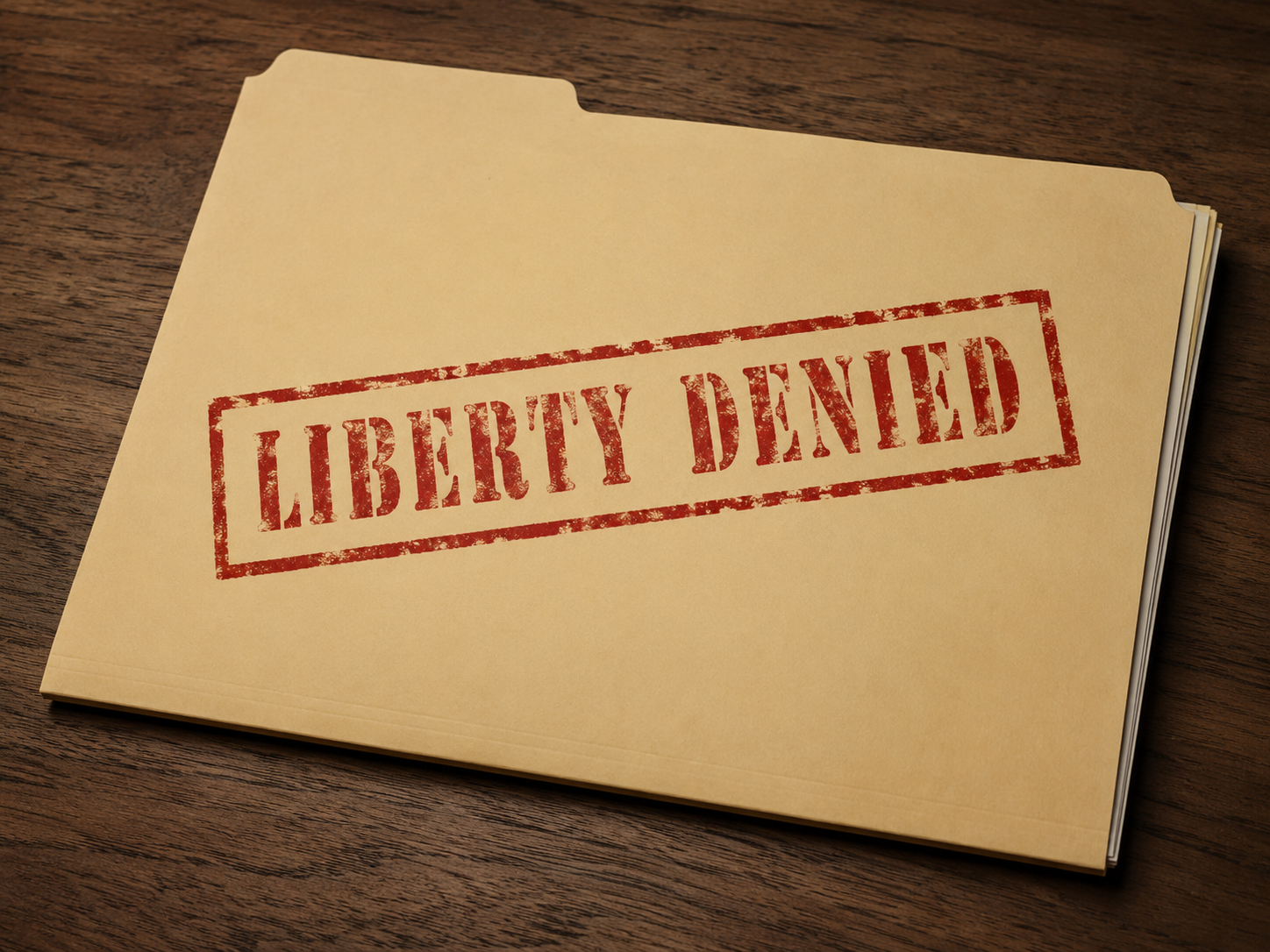
Whilst the covenant seems to outline an extensive array of rights to which every person is entitled to, there are six times throughout the legislation that it limits our freedoms. Each time the limitation is based on "national security, public order (ordre public), public health or morals or the rights and freedoms of others." Many of these terms are nebulous and open to subjective interpretation, but the most egregious of all terms is this concept of "morals."
Morals are clearly a subjective reality base on our beliefs. Even in their discussion on the concept of morals, the committee responsible for drafting the International Covenant wrote, "The Committee observes that the concept of morals derives from many social, philosophical and religious traditions." (see: https://hrlibrary.umn.edu/gencomm/hrcom22.htm?utm">The Committee's Discussion Notes ) So whose beliefs, morals or religious tradition will limit our freedom? And what will make one set of religious beliefs and traditions less or more acceptable to determine what the moral guideline should be? And who will it be that decides?
None of these things are outlined in the International Covenant. The freedoms that are limited include: 1. Liberty of movement and freedom to choose his residence (Article 12) 2. The freedom to a fair and open trial - open to the scrutiny of general society through the right to have media and the public attend a trial (Article 14) 3. Freedom to manifest one's religion or beliefs (Article 18) 4. Freedom to hold an opinion without interference and freedom of expression (Article 19) 5. The right to peaceably assemble (Article 21) 6. Freedom to associate (Article 22).
Such a piece of international legislation does not exist to occupy a shelf. It is meant to have a place and purpose in global law.
During COVID we saw just how this piece of legislation was implemented across the world. Every single one of the freedoms outlined above was restricted because of a so-called public health emergency, and it was not deemed a contravention of your human rights. A false version of morality (the common good) was used to justify your need to comply.
According to scripture, there will come a time when these rights will once again be stripped from us, most significantly for religious or worship reasons (Revelation 13:15-17). COVID was a test run, the next major event will see this legislation fully implemented to restrict our religious practices permanently.
Comment Policy
Just a short read, click here to read